Provenance & Custody
Build Environment Provenance and Environment Drift Risk
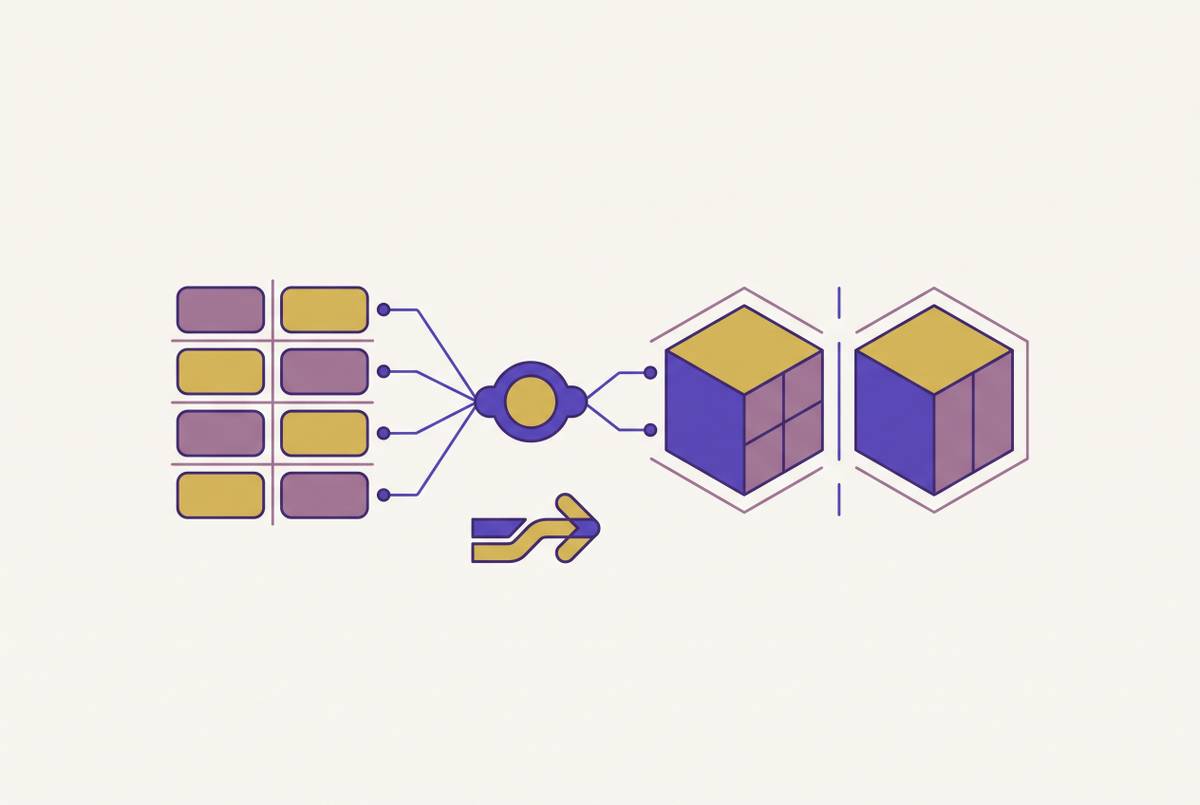
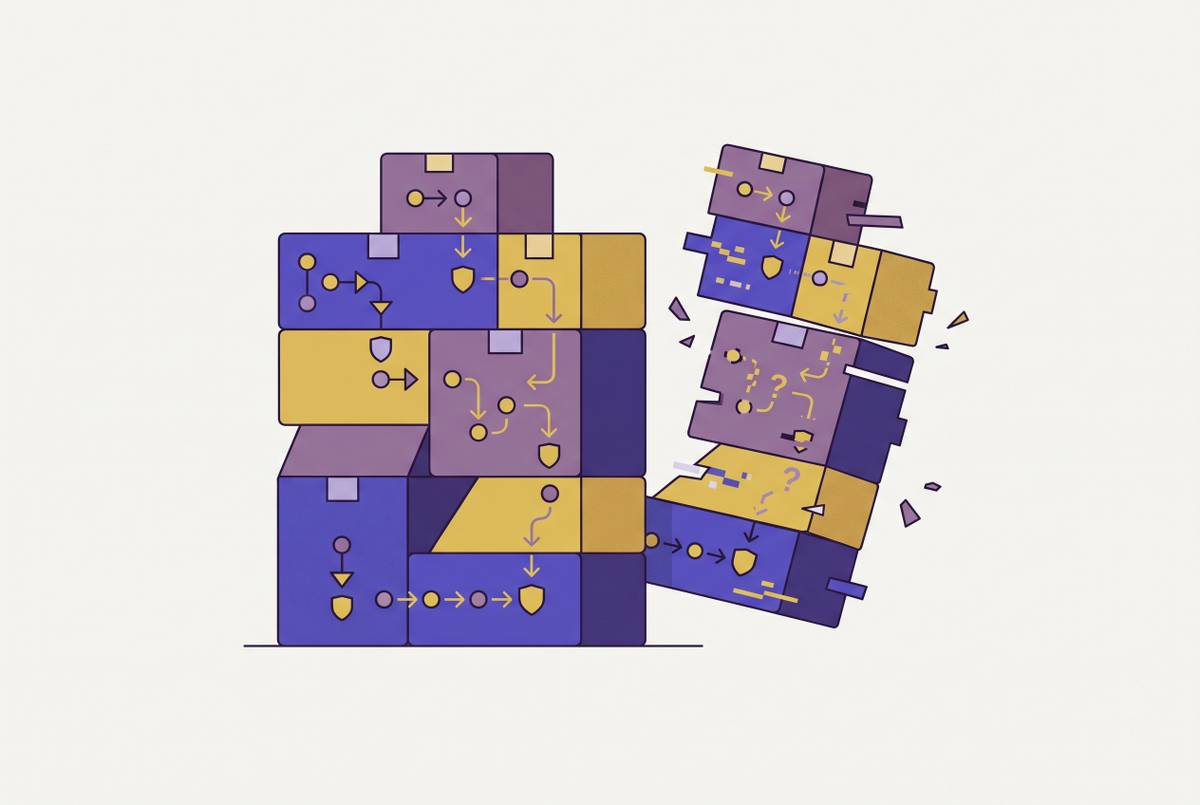
Environment drift in build systems creates security exposures that attackers actively exploit.
Marcus Tillford
· 10 min read
Environment drift in build systems creates security exposures that attackers actively exploit.
NIST now names reproducible builds and coded toolchains as core security controls.
Reproducible builds map directly to four critical SOC 2 criteria.
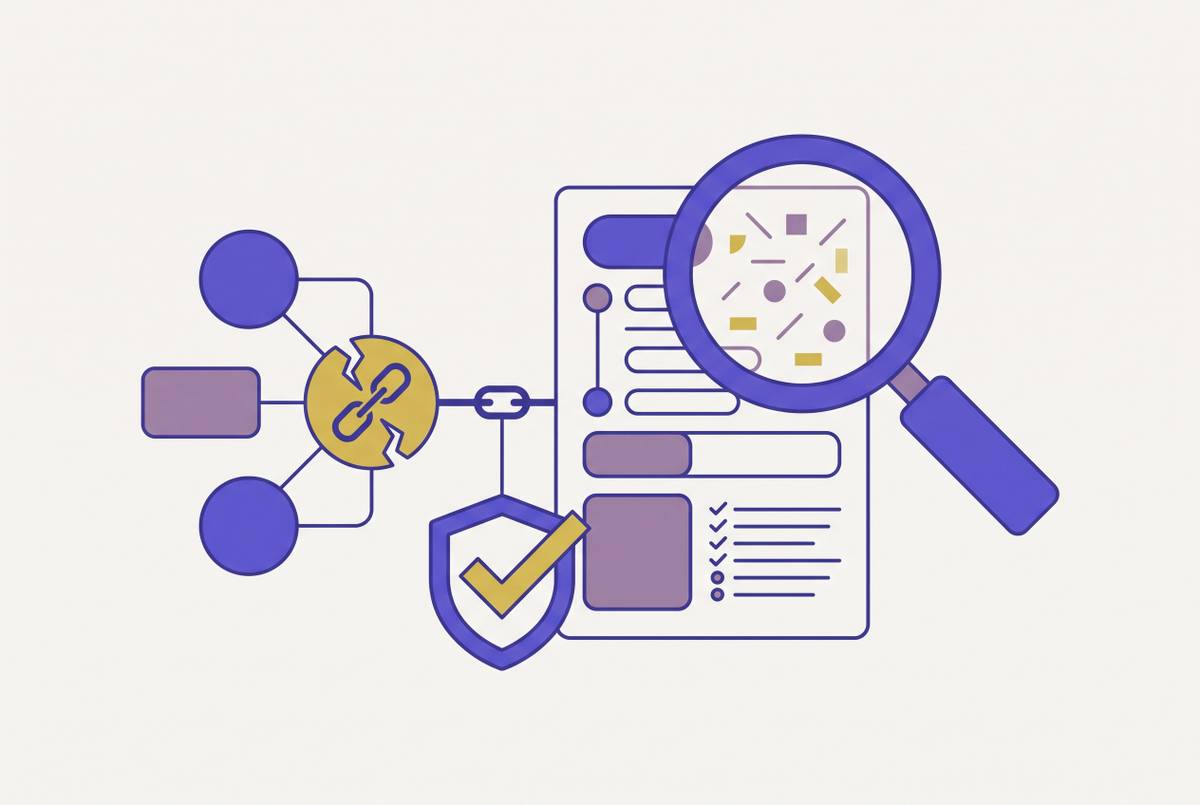
Transitive dependencies hide license risks that SBOMs can expose.
Validate vendor SBOMs before a breach forces you to rely on incomplete paperwork.
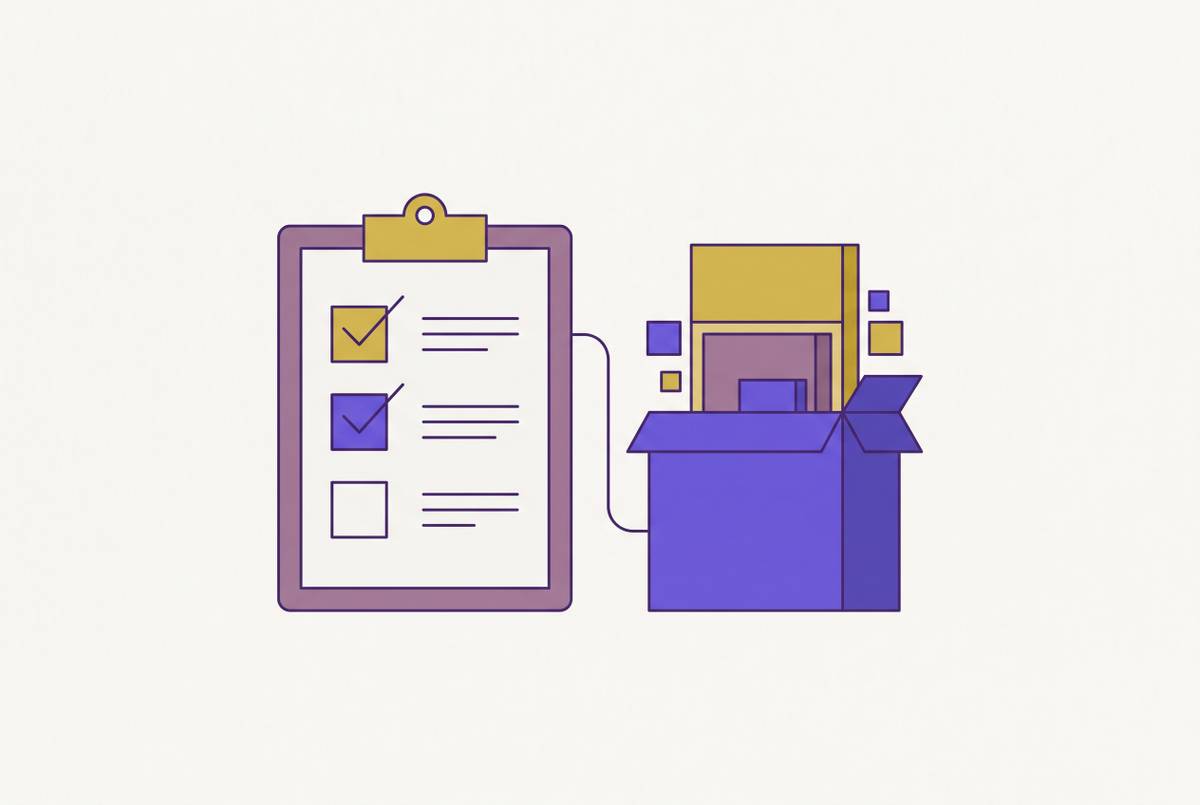
Procurement teams need concrete proof, not supplier promises, that builds are truly reproducible.
Log4j showed enterprises they need component transparency from software vendors.
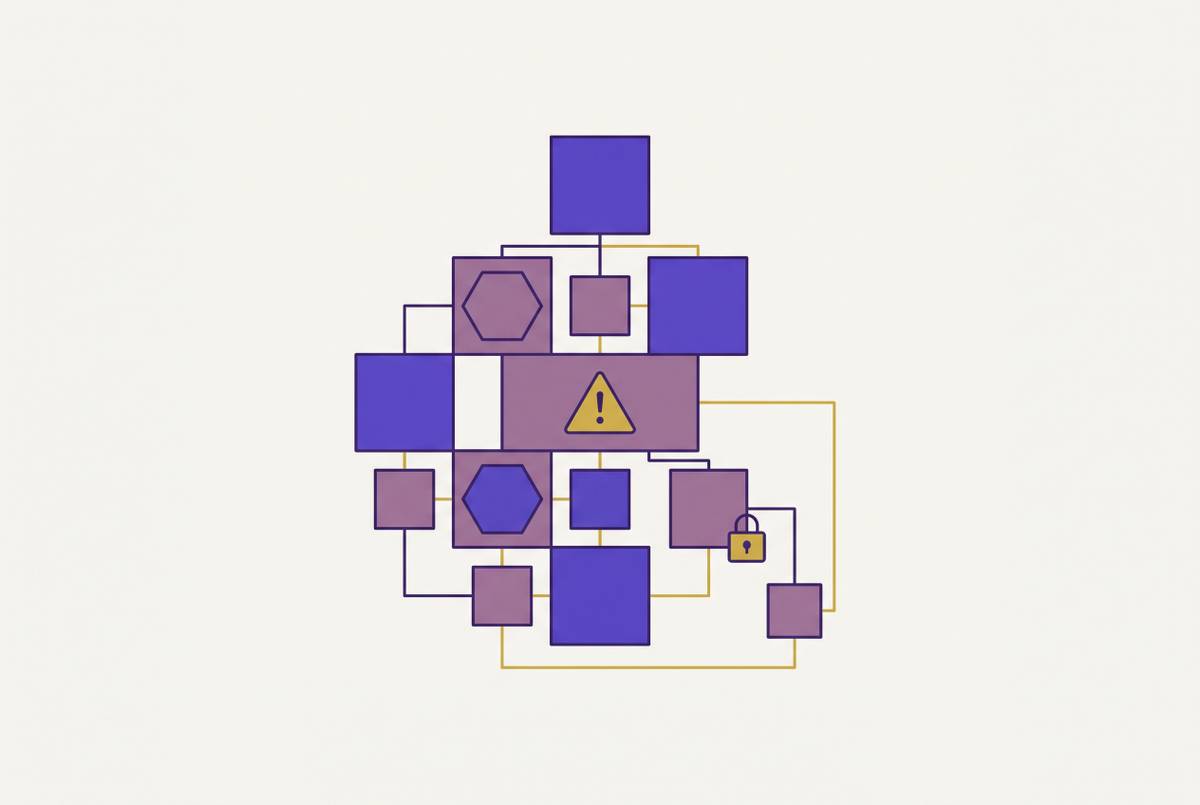
Regulated industries face four compounding open source risks that point-in-time scans cannot catch.
Compromised build systems now poison entire enterprises through concentrated supplier dependencies.
Transparency logs provide the tamper-proof audit trails compliance frameworks now demand.
Regulators now demand attestations proving vendors actually followed the processes they claim.
SLSA levels provide a roadmap for building supply chain security without reinventing your pipeline.